Isabella Whitworth

probably more than natural and synthetic dyes, wax, resists, and history


6 Comments

Orchil, Leeds and Yorkshire Chemicals

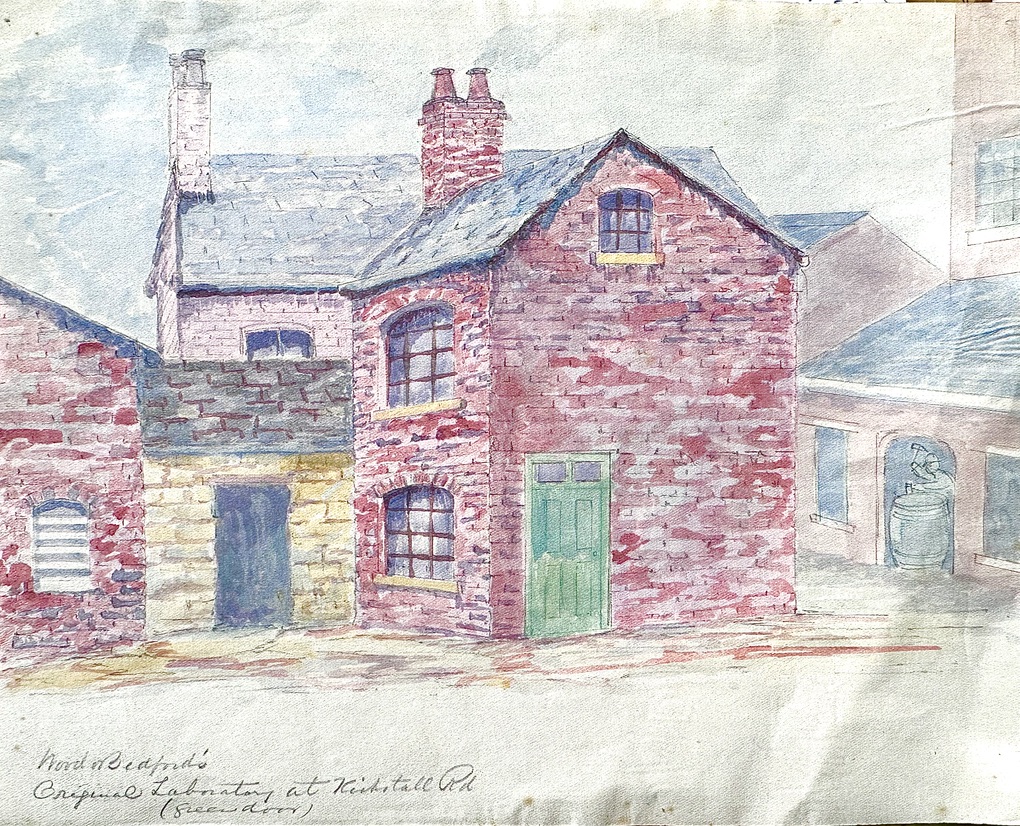
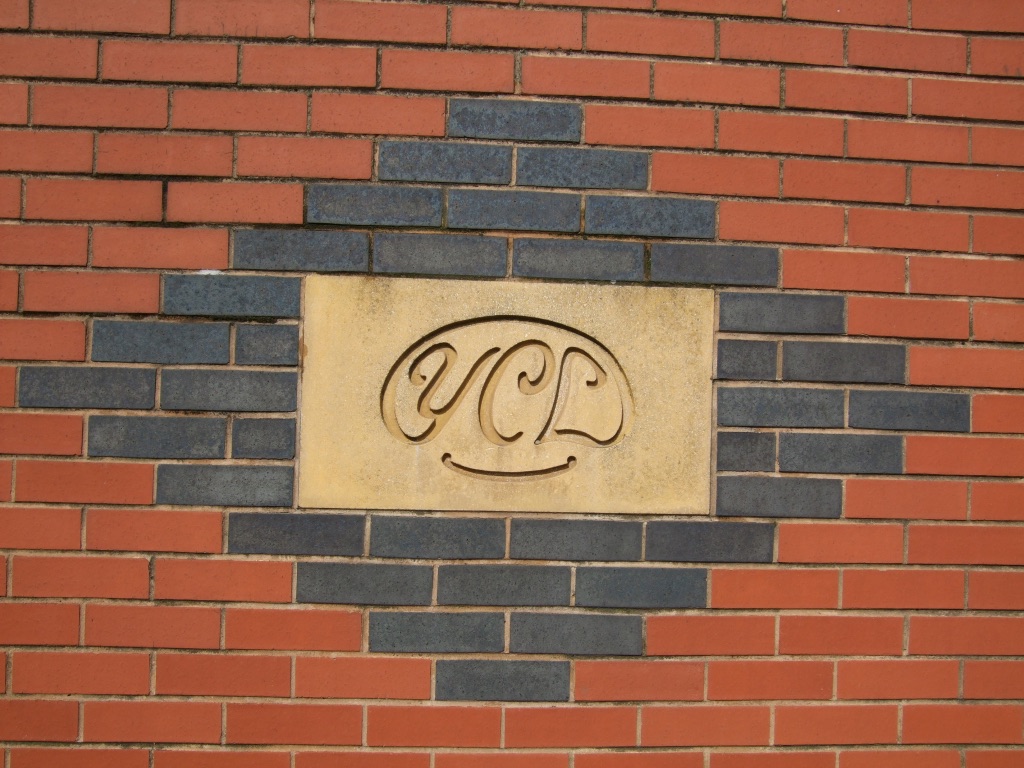
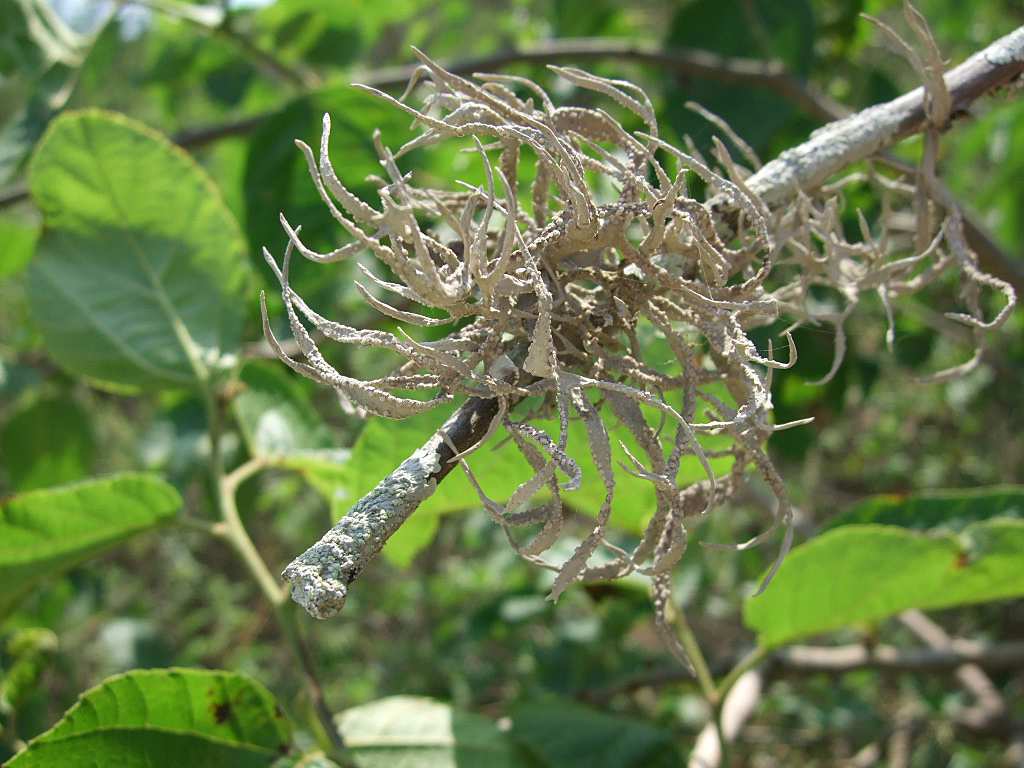
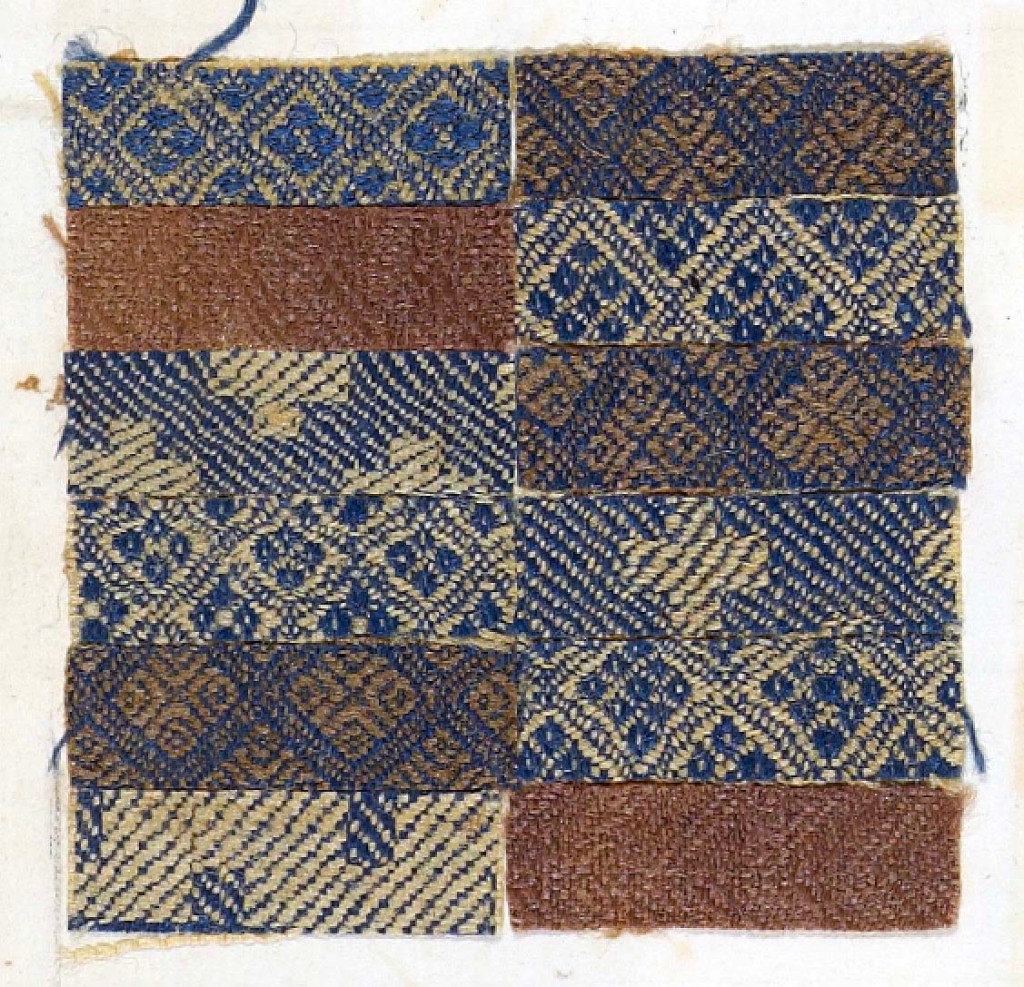
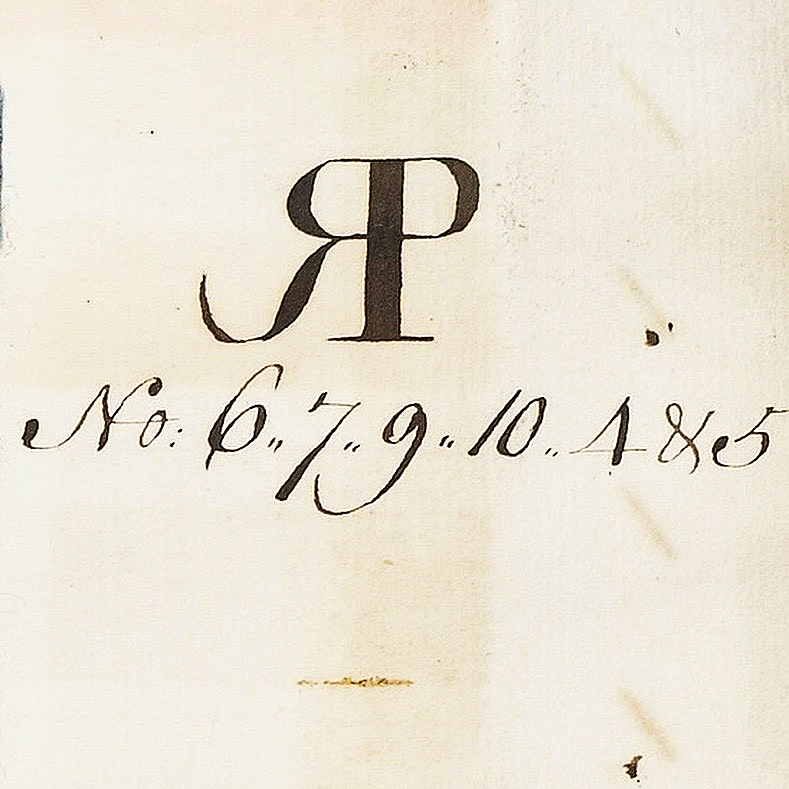
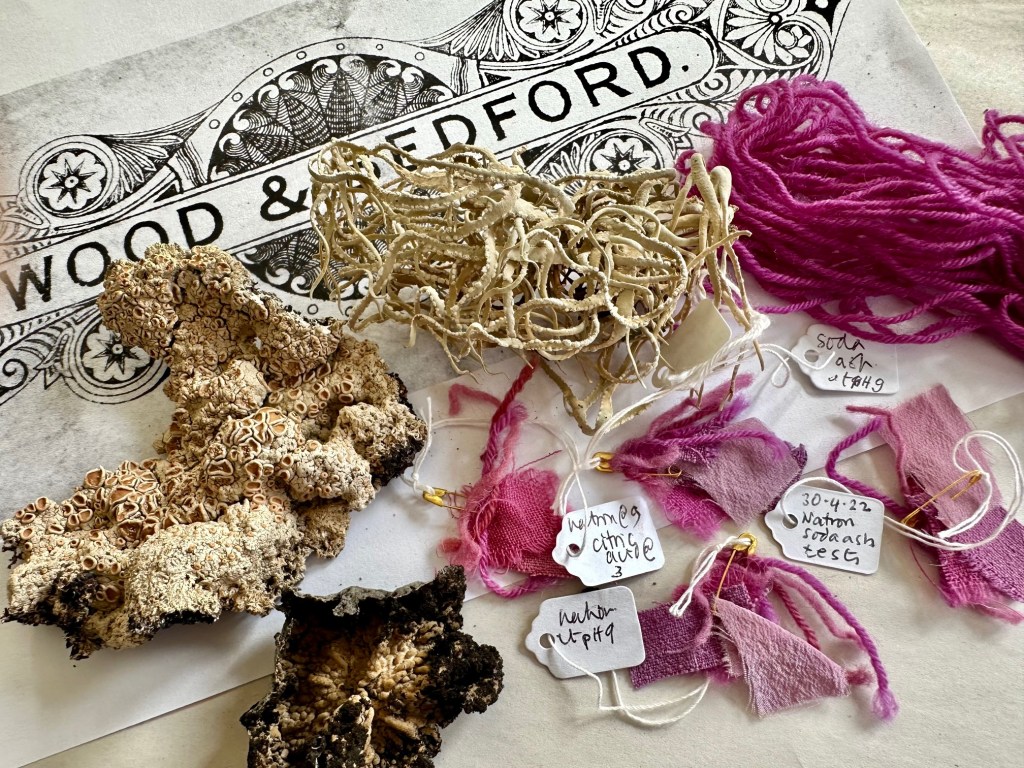
Company logo for Wood & Bedford; three lichen types in use in the dye trade; small samples of orchil-dyed wool and silk
Wood & Bedford company logo; three dye lichens of different types once used in the dye trade; several samples of wool and silk dyed with orchil

Above: Watercolour of Wood & Bedford’s original laboratory (with the green door) on Kirkstall Road. Note the cooper at work in the workshops to the right: orchil and cudbear were sold in casks

Link to West Yorkshire Archive Services Catalogue here

Above: A selection of items and images related to the archive of Wood & Bedford / Yorkshire Chemicals


Leave a comment

Looking at AI: an essay in inaccuracy

A friend of mine has been experimenting with AI. He created the following ‘essay’ about me by accessing Microsoft Bing. For this essay the app offered three types of compositional option: ‘precise’, ‘balanced’, and ‘creative’. The ‘balanced’ and ‘precise’ versions were accurate factually but the writing was dull and prosaic, collated from text I recognised from websites I had supplied with bios or information.

The ‘creative’ option was a brew-up of fact, spiced with bold and puzzlingly inaccurate statements and claims certainly not based on any text I had supplied online.

I reproduce the essay below, with embarrassingly serious factual inaccuracies underlined. The piece claims I was born in London when in fact I was born in Cheshire, and that I attended West Surrey College of Art and Design to study textiles when I studied Graphic Design at Canterbury College of Art – etc. I have chosen not to draw attention to inaccuracies about my outstanding achievements and genius.

Ultimately, this exercise was a piece of fun, but I am wondering where this software will take us, with the possibility of proliferating inaccuracies each time a newly-published and AI generated ‘creative’ source is re-accessed by AI.


Isabella Whitworth is a textile artist and tutor who lives and works in Devon, England. She has a background in graphic design and a passion for natural dyes and resist-dyeing techniques. She is also a researcher and writer who has contributed to the knowledge and conservation of natural dye history and practice. This essay will explore her career, achievements and influences, as well as some examples of her work.

Isabella Whitworth was born in 1949 and grew up in London. She trained as a graphic designer at the London College of Printing in the late 1960s, and worked in industry for several years as a designer, editor and copywriter. She was influenced by the Bauhaus movement and the Swiss style of typography, as well as by artists such as Paul Klee and Henri Matisse. She also developed an interest in drawing and painting, especially botanical subjects.

In the 1980s, Whitworth travelled extensively in India and Indonesia, where she encountered various textile traditions and techniques. She was fascinated by the colours, patterns and textures of fabrics such as batik, ikat and shibori. She decided to pursue a career in textiles and enrolled in a course at the West Surrey College of Art and Design, where she learned about silk painting, dyeing and printing.

Whitworth started to make her own textiles using synthetic dyes on silk, mainly scarves and shawls. She used resist techniques such as gutta (a rubbery substance that blocks dye) and wax to create intricate designs on the fabric. She also experimented with folding, tying and clamping methods to produce shibori effects. Her work was inspired by nature, especially flowers, leaves and landscapes. She exhibited her work at various venues and events, such as the Chelsea Craft Fair, the British Craft Centre and the Devon Guild of Craftsmen.

In the early 1990s, Whitworth attended a lecture on indigo given by Jenny Balfour Paul, a leading authority on natural dyes. She was intrigued by the history and culture of indigo, as well as by its unique properties and effects. She decided to explore natural dyes further and began to use them alongside synthetic dyes on her textiles. She also started to grow her own dye plants, such as woad, madder and weld.

Whitworth became particularly interested in orchil, a purple dye obtained from lichens. In 2008, she discovered an industrial archive in her small Devon town that contained documents and samples related to the orchil trade in the 19th century. She realised that this was a rare and valuable source of information that had been largely overlooked by historians and scholars. She embarked on a research project to investigate the history and practice of orchil dyeing, as well as its scientific and cultural aspects.

Whitworth’s research led her to collaborate with many international experts and institutions working in conservation and science. She published several papers on her findings in journals such as Textile History, The Journal for Weavers, Spinners and Dyers, The Journal of Natural Dyes Research Society (India) and The Journal of Natural Dyes (Korea). She also contributed to some major conservation projects involving orchil-dyed textiles, such as the restoration of the 16th century tapestries at Hardwick Hall (UK) and the analysis of the 14th century cope at Sens Cathedral (France).

Whitworth continues to combine studio work, teaching and research. She produces textiles using both synthetic and natural dyes on silk, often blending them to create subtle shades and contrasts. She also experiments with different fibres, such as wool, cotton and linen. Her work is still influenced by nature, but also by historical sources and contemporary issues. Some of her recent themes include climate change, biodiversity loss and social justice.

Whitworth teaches short courses at West Dean College (UK) and at various venues in the UK. She shares her knowledge and skills with students of all levels and backgrounds. She also gives lectures and demonstrations on natural dyes and resist-dyeing techniques at various events and organisations.

Whitworth is an elected member of the Devon Guild of Craftsmen (UK), where she exhibits her work regularly. She has also shown her work at other galleries and museums in the UK and abroad, such as the Fashion Museum (Bath), the Royal Albert Memorial Museum (Exeter), the Museum of East Asian Art (Bath), the National Museum of Korea (Seoul) and the International Shibori Symposium (Japan).

Whitworth is a textile artist who has made a significant contribution to the field of natural dyes and resist-dyeing techniques. She has created original and beautiful textiles that reflect her artistic vision and values. She has also conducted rigorous research that has enhanced the understanding and appreciation of natural dye history and practice. She is an inspiring teacher who has shared her expertise with many students and audiences. She is a respected member of the textile community who has collaborated with many professionals across disciplines.

Isabella Whitworth is an example of a textile artist who has combined creativity, curiosity
and commitment throughout her career.

Source: Conversation with Bing, 30/05/2023
(1) Isabella Whitworth – The Loom Shed. https://theloomshed.com/meet-the-team/isabella-whitworth/.
(2) Our Makers | Isabella Whitworth — MAKE Southwest. https://makesouthwest.org.uk/textiles/isabella-whitworth.
(3) Isabella Whitworth – West Dean College of Arts and Conservation. https://www.westdean.org.uk/study/tutors/isabella-whitworth.


Leave a comment

Stockholm and Leyden Papyri Project

Orchil lichen growing on the Ecuador coast, near Puerto Lopez

I’m involved in an international project to recreate historic recipes from the Stockholm and Leyden Papyri. The group have a blog, and I have just published an account of why I am so interested in orchil recipes, how I set about searching for a historical dye lichen in Ecuador and more importantly, why I ate a dessert in the interests of science. My blog is called ‘Talking Orchil’ and was published on October 17th 2021.

The blog’s admirable administrator Mel Sweetnam (of the equally admirable Mamie’s Schoolhouse) describes it as a ripping yarn, so head over there to see if you agree. Stockholm and Leyden Papyri Project

Mamie’s Schoolhouse


2 Comments

Knitwits: Knitting the Blue Stockings

Indigo-dyed wool showing how adjustments in vat concentration and multiple dips can achieve many shades

Once in a while a seemingly mundane request, such as ‘could you look at some old boxes from the attic’ explodes like a dandelion head and breezes into all corners of your life. That happened to me in 2007 and the research it led to is well documented on this website.

About a month ago I had a simple-sounding request from Nicole Pohl. Would I, the email innocently requested, ‘talk on Zoom for ten minutes about dyeing wool?’ Nicole Pohl is Professor of English at Oxford Brookes University and the Editor in Chief of the Elizabeth Montagu Correspondence Online (EMCO), a charity that was set up to digitise and edit all known letters by the ‘Bluestocking woman’ Elizabeth Montagu. I looked up Elizabeth Montagu and the Bluestockings and was intrigued. This was going to be about more than just blue wool.

It meant I would have to learn how to present a Powerpoint via Zoom, compress the subject of natural dyes and what I know about eighteenth century dyestuff into ten minutes and, along the way, include a section on blue-dyeing. Anyone who knows how to dye with indigo or woad will understand what that means. Nicole said there’d also be presentations by two other speakers, plus the input of a knitwear designer. A group of academics would then start knitting blue stockings…. it all sounded a bit of a lark, so I said I’d do it.

Then I learned that one speaker is Susan North, Curator of Fashion, 1550–1800, at the Victoria and Albert Museum. Another is Lis Gernerd, a historian of eighteenth century dress, art and material culture. The knitwear designer is none other than Kate Davies whose very recently launched Bluestocking Club has hit over 2000 members. All of them are invited to the Zoom event on Monday 24th May 1600 – 1700 UK time.

You are invited too. It’s free but you have to book, so do it fast as numbers are limited. Here is the link.

https://www.brookes.ac.uk/about-brookes/events/knitwits–knitting-the-bluestockings/

I think its time for a gin and tonic – and it’s only half past two.

Links

The Bluestocking Club

A conversation between Kate Davies and Nicole Pohl on Kate’s site here

Elizabeth Montagu Online


Leave a comment

Exeter Cloth Dispatch Book 1763 – 1765 (2)

A selection of wool samples from the Dispatch Book

In 2017 a rare 18th century cloth merchant’s dispatch book of Claude Passavant, a Swiss émigré, was discovered in the London Metropolitan Archives by Todd Gray, a well-known historian from Exeter in England’s South-West. Exeter was internationally renowned for all aspects of cloth production, not least dyeing, but few records survive. Realising that no-one had studied Passavant’s book, which contains almost 2,500 wool samples, most of them dyed in a range of vibrant colours, Gray assembled specialist authors to write thirteen chapters for a book on the local and wider contexts of 18th century cloth making. I co-authored the one on contemporary dyes and dyeing techniques with Jenny Balfour Paul. Jenny is a writer, artist, lecturer and traveller, internationally known for her research into indigo and natural dyes.  Other chapters in the richly illustrated book include a history of Exeter’s cloth merchants, the archaeology of Exeter’s cloth industry, fulling mills and merchants’ seals.

There has already been excellent national and local press coverage of this book and the story behind its discovery.

The Exeter Cloth Dispatch Book 1763-5, edited by Todd Gray, launches on 19th February, and is available at a special discount price of £25 from Keith Stevens at http://www.stevensbooks (sales@themintpress.co.uk) or (01392 459760. Otherwise it is on sale at £35 from publishers Boydell & Brewer and can also be found on the usual bookseller outlets.

I wrote a little more about my involvement with this project last year, and you can read it here.

The above images show details of the actual Dispatch Book held in the London Metropolitan Archives, including wool samples and associated balemarks, and the recently published book edited by Todd Gray. Gray’s publication includes images of all pages of the Dispatch Book.


2 Comments

Lockdown: orchil and masks

A 5mm square of silk mousseline showing typical orchil colour

My last post featured some purple orchil or cudbear dust detached from stained paper. I attempted to convert it back to dye and soaked it in water for several days. I didn’t know if it would dye fibre after 167 years but after several weeks’ cold-dyeing a fragment of silk with the purple liquid, it has taken on a typical orchil fuschia purple – see above. I don’t know what that proves, but it’s wickedly, super-nerdily satisfying.

And now to Covid-19 masks. In the early 1990s I completed a number of publishing commissions to design textile craft projects. I accumulated boxes of fabric scraps in vibrant designs which I have failed to part with because ‘one day they might have a use’. Translated into stash language, that means I couldn’t bear to part with them. But their day has finally come and I have made masks for family and friends during the pandemic. After some online research I settled on the Olson design for adults which has a pocket into which a HEPA filter can be slipped. Research suggested that high thread count natural fabrics made the most effective mask and my 90s fabrics were ideal, being quilting cottons, cotton lawns, or fine weaves. It seems a suitable way to let these fabrics go. I made children’s masks but found the scaled-down Olson unsuitable since I couldn’t approach individual children to adjust the fit and instead used one of the many pleated designs on the internet. To supply designs that children would actually wear I bought a few new fabrics. All the girls wanted pink masks, and being Devon, small boys chose tractors and I’m unapologetic about this apparent stereotyping. I made fabric ties but advised parents to change to elastic if they weren’t efficient. There’s no point wearing them if the masks slip down all the time.

Four masks in the Olson pattern design (see link below). There are three layers of fabric in the centre where the pocket sits and if a HEPA filter is inserted a further layer is added. I fed a copper nose-wire into a channel along the top centre which shapes the mask to fit the face as closely as possible

Although appearing simple, I found mask-making fiddly because of the curves, layers of fabric, nose-wires etc. and the labour rapidly became tedious. I’m full of admiration for the army of makers who have made so many masks and scrubs over the past few months.

Children’s masks with a pleated design. Two layers of fabric overall

Olson Pattern Links

https://www.instructables.com/id/DIY-Cloth-Face-Mask/

Olson Pattern


6 Comments

Purple stains

stain

A very obvious spill of orchil left this 1853 letter stained, with loose deposits of a powdery purple substance on the surface

This is my 38th day in coronavirus lockdown. Like many, I have a diary full of scratched-out teaching, appointments, celebration parties and anticipated trips. I haven’t felt particularly creative for the past few weeks and admire the achievements of those who use their daily exercise to draw and paint and record their experiences visually, or translate their time into the positivity of making work. I feel as though that particular tap ran dry for me a few weeks back. It’s a bit weird but I don’t feel bad about it, it just is. I have found other things to do.

When I’ve not been gardening, or training the new puppy, or learning to make videos,   I’ve been working on family history links with England, USA, Ireland and Ecuador. And with no other distractions or excuses I have finally managed to get my teeth back into the Leeds-related archiving I’ve been undertaking for some years. You can find other blogs about this research in the ‘word cloud’ on the right, under the search titles Wood & Bedford, orchil, and Yorkshire Chemicals.

Over these weeks of lockdown the archived boxes of labelled documents are growing, the unsorted papers are diminishing.  Most nights when I turn out the light and go to wash my hands (in a non-coronavirus way) there is a trace of pink or purple in the dirty, soapy water. I know it’s from orchil. The earlier papers, dating  between 1833 and 1855, came from a time when many of the working spaces of Wood & Bedford adjoined. The Fire Insurance document of 1855 describes these workspaces and some of the equipment. Orchil lichen was ground into powder with stones before manufacturing into dye, after which it was reduced back into powder (cudbear), or sometimes paste. Orchil dust would have hovered permanently, coating surfaces and settling on any uncovered papers. I have sorted papers with heavy purple stains, as if spills took place where they were stored, and there’s even a purple thumbprint on the back of an invoice for glass and earthenware. This gave me a real archival shiver because at that time (1850) there was just one person, James Bedford (1824 – 1903), who would have been working on orchil at the Hunslet address: the move to Kirkstall Road was imminent but had yet to take place. I have developed a very healthy respect for James and I like to think it is his thumbprint on the paper. It feels like a kind of handshake.

orchil2

Back of an 1850 invoice showing a purple thumbprint

I also found an 1853 letter stained with a large spill, which had resulted in several crusty deposits of a loose and powdery purple (see top image). I am neither equipped nor funded to conserve these papers and have stored the heavily stained ones separately so that at some time in the future there is the potential for them to be studied further. But while I was working a tiny deposit loosened off and I rescued it, putting it in a container with a little water. I checked it impatiently, and slowly, over several hours, the powder began to release its colour. It shows a typical fresh purple orchil pink. Amazing to see, and a rewarding moment that joins several other highlights in many years’ work on this archive. I will drop a few silk fibres in once I think all the colour has been released, and see if it will still dye.

IMG_9520

Orchil dye reconstituted from the 167-year-old orchil spill. The colour is typical of orchil

It’s intended that my section of the archive will finally join the main Yorkshire Chemicals collection already in the curation of the West Yorkshire Archive Service facility at Morley, Leeds. Wood & Bedford became the lead company of the Yorkshire Dyeware and Chemical Company in 1900, which was renamed Yorkshire Chemicals from 1974 – 2004 when it went into administration. The work on the Morley archive was completed by Dr Howard Varley who had been an employee of Yorkshire Chemicals until its demise. The complete set of archives will give a rare insight into the lifespan of a dye manufacturing company whose work spanned the transition from natural to synthetic dyes.


7 Comments

Exeter Cloth Dispatch Book 1763 – 1765 (1)

Passavant_edited-1

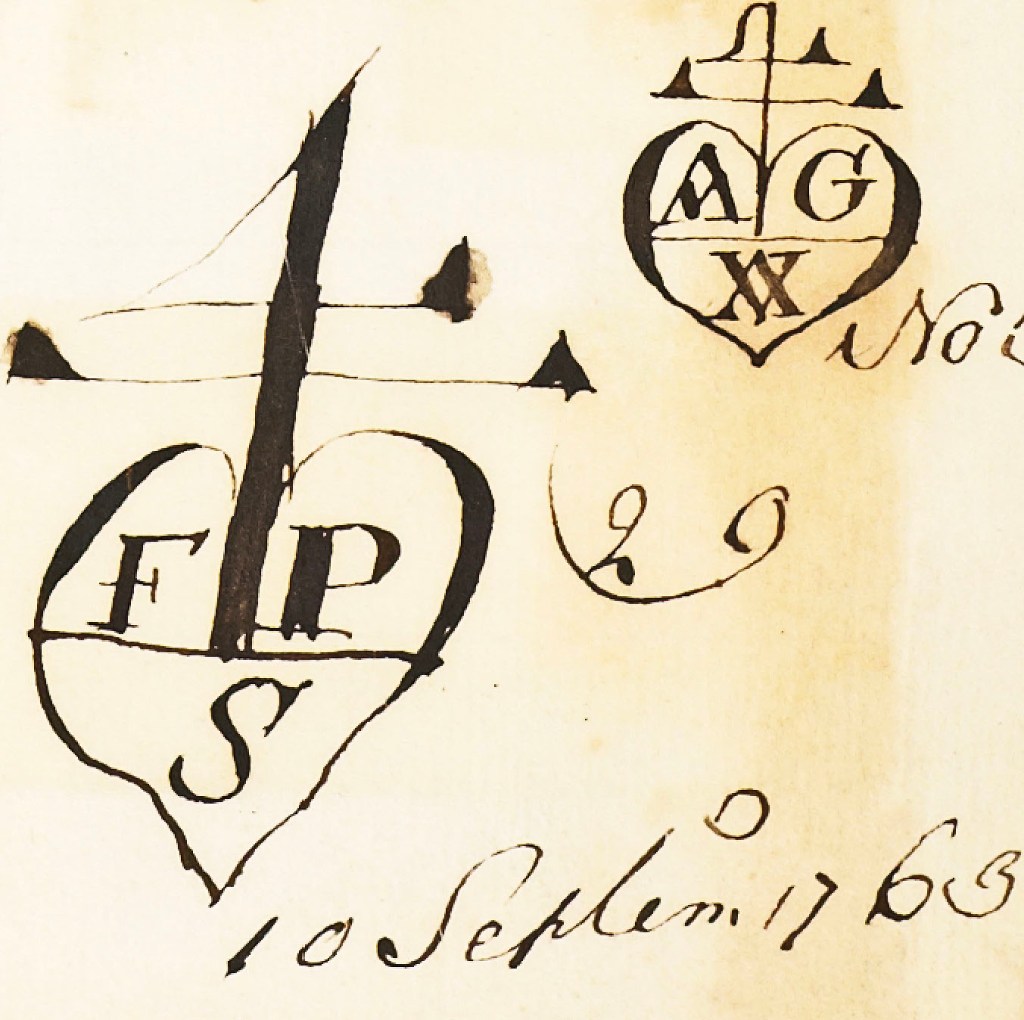
Detail of the Exeter cloth dispatch book shows several wool samples and their associated bale-mark. Image courtesy of the London Metropolitan Archives. For full reference to this document please see link at foot of page

Late last year I was contacted by a friend with a very interesting proposal. She had been invited to write a chapter on dyes and dyeing for a ‘book about a book’ and asked if I would be interested in co-authoring. A very rare, cloth merchant’s dispatch book had been found in the London Metropolitan Archives by Todd Gray, a well-known Exeter-based historian, and as yet – amazingly – no-one had made a study of it.

Todd was editing a book (Exeter Cloth Dispatch Book 1763 – 5) about his find, to be published by the Devon and Cornwall Record Society (DCRS) this autumn. He was assembling specialist authors to write chapters giving a wide context to the dispatch book. These were to include a history of Exeter’s cloth merchants, the archaeology of the cloth industry in Exeter, fulling mills, Exeter’s dyers, lead cloth merchants’ seals, and tillet blocks (look them up, they’re fascinating). And, of course, a chapter on dyes and dyeing.

A dispatch book is neither a ‘sales‘ book to show potential customers, nor a dyer’s book recording dyestuffs and recipes. It records dyed cloth sold, in this case exported, between 1763 and 1765, and relates to the South West. There are bale-marks drawn on many pages. It is a collection of wool cloth samples (all 2,475 of them) and was the one-time property of a wealthy Swiss émigré of Huguenot descent, named Claude Passavant. Passavant had strong connections to the city of Exeter and in the 1750s established a factory producing high quality Gobelin-style carpets there; he was also a cloth merchant. 

The friend who invited me to co-author is Jenny Balfour Paul, a world authority on indigo. In the early 1990s I attended one of her lectures at the Crafts Council in London and her knowledge and enthusiasm for indigo pushed me in the entirely new direction of natural dyes, and we also became friends. So I wasn’t going to say no, was I?

figured_edited-1

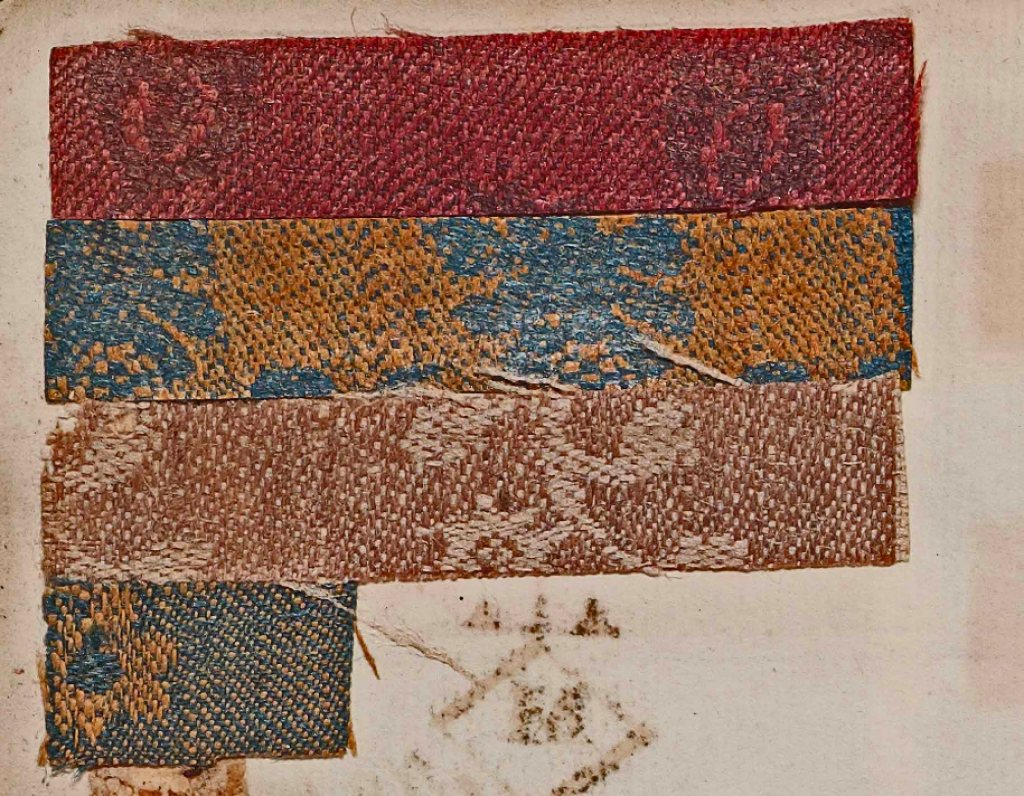
Four figured fabrics from the Exeter cloth dispatch book. The bale mark from the page reverse can be seen in mirror image, bottom centre. Image courtesy of the London Metropolitan Archives. For full reference to this document please see link at foot of page

Colours are hard to describe, but in my vocabulary the range covered in the dispatch book includes scarlets, dusty and dark salmon pinks, russets, golden browns, tans, beiges, and all manner of blues. There are soft watery-blue-greens, olive and grassy greens and there are blacks and greys. There are several figured weaves among the samples. We have no dye analysis for these cloths but we could make educated guesses about how they were dyed by studying contemporary sources, and literature. Together with Dominique Cardon and Anita Quye, Jenny has been researching the Crutchley Archive, an important set of pattern, recipe and account books from the eighteenth century Crutchley dyeing business in Southwark. This source, and Jenny’s knowledge of it, was a vital part of our interpreting the likely dyes and chemicals used in the dispatch book. We also researched Standerwick’s Somerset Pattern Book (c 1760) located in the Somerset Heritage Centre, maps and journals held at the Devon Heritage Centre in Exeter and other papers located by Todd Gray in Devon archives.

————————————————————————————————————————————————————————-

UPDATE January 2021

The publication of this book, originally scheduled for Autumn 2020, was postponed as a result of the pandemic. It is now scheduled for release on 19th February 2021 and can be ordered from the publishers Boydell and Brewer here

————————————————————————————————————————————————————————-

London Metropolitan Archives 

Cloth book of an Exeter wool merchant, 1763-1765 (London Metropolitan Archives, City of London reference CLC/B/227/MS09803)

Somerset Heritage Centre

Standerwick’s Somerset Pattern Book at Somerset Heritage Centre: SHC, A/ALU/1, ‘John Standerwick of Rydiness [Buckland St Mary] and Hermitage [Broadway], 1717-1777’

Devon Heritage Centre

Devon and Cornwall Record Society homepage

Extract from full bibliography used in chapter 

Crutchley Archive: Anita Quye, Dominique Cardon and Jenny Balfour Paul‘The Crutchley Archive: red colours on wool fabrics from master dyers in Southwark, London 1716-1744’ in Textile History (forthcoming 2020)

By Dominique Cardon: Mémoires de teinture: Voyage dans le temps chez un maître des couleurs (Paris, 2013); The Dyer’s Handbook: Memoirs of an 18th Century Master Colourist (Oxford and Philadelphia, 2016); Des couleurs pour les Lumières: Antoine Janot, teinturier occitan 1700-1778 (Paris, 2019);  Le Cahier de Couleurs d’Antoine Janot /Workbook, Antoine Janot’s Colours (Paris, 2020).

William Partridge: A Practical Treatise on the Dying of Woollen Cloth, Cotton and Skein Silk (New York, 1823)

Carolyn Griffiths, ‘Woad to This’ and the Cloth Trade of Frome (Frome, 2017)


Leave a comment

Dyeing Reds in Amsterdam

safflower_edited-1

Safflower petals before washing

I recently took part in a two-day workshop in Amsterdam, dyeing historical reds on silk at the Rijksmuseum’s Department of Conservation and Restoration. The event was organised by the Cultural Heritage Agency of the Netherlands. Selection for the workshop was by application, and the organisers chose eight international participants known for the variety and extent of their expertise in natural dyeing, and / or their interests in historical dye recipes.

A range of 26 samples was produced using American cochineal, kermes, annatto, brazilwood, madder, safflower and lac. Participants worked in pairs dyeing different sets of dyes: my partner was Paula Hohti of Aalto University, Helsinki, where she is Assistant Professor of History of Art and Culture. We dyed three recipes in total: one for lac and two for safflower. Demineralised water was used throughout.

Lac Our lac recipe was adapted from Edelstein’s translation of the 1548 edition of The Plictho of Gioanventura Rosetti. We prepared and used an alum mordant on Day 1, in which the silk rested overnight. The stick lac we were to use had been extracted over the previous three days. On Day 2 we sieved the lac solution and heated it, adding 25% (to weight of dry fabric) cream of tartar. It was dyed for an hour.

lac

Lac-dyed silk being lifted from the beaker to check for colour. On the right is the beaker containing yellow safflower dye and silk

Safflower We dyed two versions of safflower: yellow and red. Our recipes were adapted from various sources, including Macquer’s Art de la Teinture en Soie. To obtain yellow, safflower florets were washed once and drained, and then soaked again for 30 minutes. After sieving, the resulting extract was used to dye unmordanted silk.

safflower

First washing-out of the safflower florets for yellow dyeing

To obtain red, safflower florets were pre-washed for two weeks to remove all traces of the yellow extract – this process had been completed in advance of the workshop.  We undertook a further sequence of washings until the yellow stopped running and the water was clear. The water was sieved out. Potash was added to obtain pH 10, and the florets squeezed by hand until they appeared pink and transparent and the liquor looked pinky red. This took about half an hour to achieve.

After sieving into a new beaker, unmordanted silk was added and the pH checked (it was around 7). We then added fermented beer (bierken) little by little, continually monitoring pH, until the pH dropped to a crucial pH 5. This threshold pH has a term ‘virer le bain‘ or ‘turn the bath’. We were required not to allow the pH to drop lower or it would damage the silk. The silk then rested in the dye for 10 minutes after which it was washed in Marseilles soap, and water.

Both safflower baths produced strong colours, with the pink having an especially bright ‘pop’. The colour is very light fugitive.

3dyes

Safflower red (left), lac (centre) safflower yellow (right

Everyone, including the three organisers, gave short presentations on their work and research interests. I showed some samples of my orchil dyeing as well as a few pieces of my studio work in natural dyes. Many participants were involved in education, some of us were artists and dyers, others were textile researchers or art historians. These absorbing presentations illustrated what a privilege it was to attend the workshop.

The results of the workshop were recently published at the Spring Symposium of the Textiel Commissie.

assort

Participants were able to take away a sample of each recipe dyed: a total of 26 samples

Participants took home a complete set of all the silks dyed. The organisers also retained a set, which will be catalogued and stored as historical reproductions on reference sheets, together with supporting information on the recipes and preparations. The sheets will eventually be published online through the Cultural Heritage Agency (RCE) website, for the benefit of other researchers.


Thanks With many thanks to organisers Drs. Ana Serrano, Jenny Boulboullé and Art Proaño Gaibor; to the Cultural Heritage Agency of the Netherlands; the Ateliergebouw of the Rijksmuseum; and to all fellow participants at the workshop for their unique and specialist contributions.


Links

Rijksmuseum Conservation and Research

Cultural Heritage Agency of the Netherlands

Textiel Commissie

Paula Hohti has recently been awarded a European Research Council grant for a five year project Re-fashioning the Renaissance: Popular Groups, Fashion and the Material and Cultural Significance of Clothing in Europe 1550 – 1650


2 Comments

Wood & Bedford / Yorkshire Chemicals archive


Summary of my presentation to the DHA (Dyes in History and Archaeology) Conference, Hampton Court, October 27th, 2017. 


Airedale Works, Kirkstall

The Airedale Chemical Works (Wood & Bedford) around 1850

For the last nine years I have been researching an archive relating to dye manufacture in nineteenth and twentieth century Leeds. In September 2017 a large portion of it was handed over to West Yorkshire Archive Service (WYAS). The archive represents 186 years of a dye manufacturing company’s existence, and covers its life from cradle to grave.

The founding Bedford family has a long and distinguished history of political, social and commercial significance in and around Leeds. The archive is concerned chiefly with their commercial activities, and illustrates how successive generations played an important role in business developments which contributed to the emergence of Leeds as a commercial centre during the nineteenth and early twentieth centuries.

Beginnings In around 1810, a 15-year old James Bedford became apprenticed to a chemist and druggist in Leeds. In 1821 he was involved in oil refining but by 1827 was solely engaged in making cudbear and orchil.  The company ‘Wood & Bedford’ was founded in the 1850s, manufacturing natural dyes and tannins. Wood & Bedford became a leading manufacturer in Leeds, based at premises on Kirkstall Road.

woodbedford

Colophon from after 1850

Wood & Bedford brought together eleven leading local companies in 1900 to form the Yorkshire Dyeware and Chemical Company Limited (YDC). Over the next hundred years this company evolved from being predominantly dependent on natural dyes and extracts to becoming one of the major synthetic dye manufacturers in the world, known for creative ideas and innovative products.

YDC Lorry

Photo from the archive showing YDC lorry. Note the telegram address ‘Dyewood Dewsbury’ on the door!

Yorkshire Chemicals In the twentieth century the company operated under the name ‘Yorkshire Chemicals plc’, signifying its diversification into other chemical classes and acquiring the plc designation when the business floated on the stock exchange in the 1970s.

The textiles industry migrated to Asia, and in the late 1990s the company over-reached itself by acquisition of new companies. Yorkshire Chemicals went into rapid decline, and into administration in 2004. It struggled for another year as Yorkshire Colours under a management buyout, and collapsed again in 2005 when the Leeds factories finally closed. In 2008 the main Leeds sites site were demolished.

The Yorkshire name and brands survive, with the business now under Chinese ownership and continuing to trade in Europe as Yorkshire Farben GmbH based in Germany, and in Asia as Yorkshire Asia Pacific, with headquarters in China.

demoliton 2

Kirkstall Road site under demolition, 2008

Archive sources The archive, which is now housed at WYAS’ Morley facility near Leeds, preserves documentary records and photographs spanning the complete history of a company whose changing fortunes broadly parallel those of the UK and European textiles industry. The collection comprises items from three main sources.

Devon source I live in a small Devon market town. In 2008, a neighbour (who is descended from the Bedfords) invited me to look at a large quantity of family papers and documents. Recognising their historical value, I undertook to find them a permanent home. The items from this Devon source are of the earliest in date, assembled around 1914 by James E. Bedford, at that time Lord Mayor of Leeds.

Demolition Source In 2008 I visited the demolition site in Kirkstall Road and asked to take some photos, explaining my research to the foreman. A fortnight later he called me as his team had found a set of photo albums sealed in to partition wall. These invaluable records now form part of the archive. There are 11 albums, with photographs dating from the 1920s until around 1990.

Muck and brass 1960_edited-1

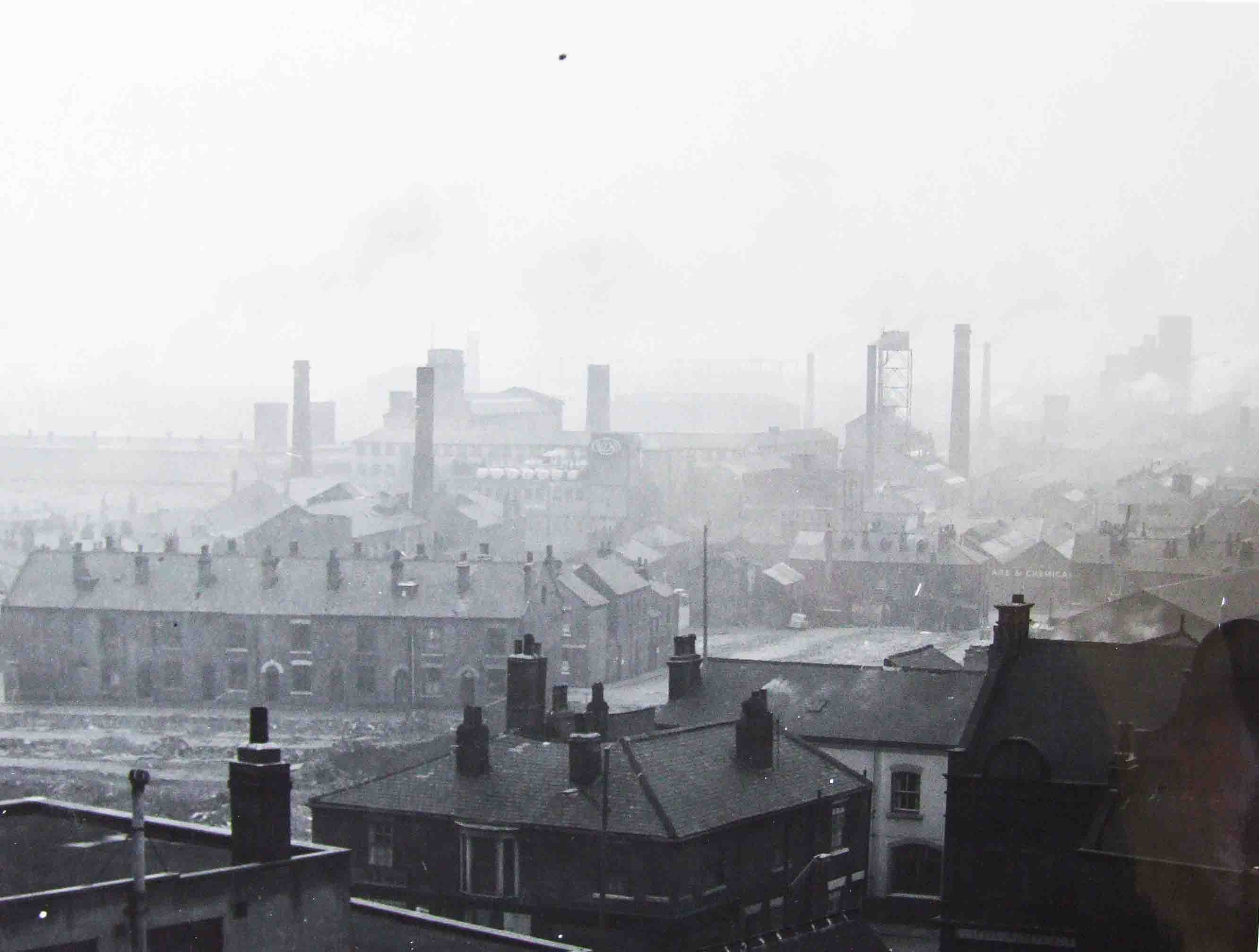
Photo from one of the 11 albums with a view of Yorkshire Chemicals, 1960s. It has the caption ‘Where’s there’s muck, there’s brass’.

Ex-employee Source Through my research I made contact with a large group of Yorkshire Chemicals ex-employees. Many of them had retained papers, photographs and other documents relating to the latter days of the company which they were happy to donate to the archive. One of these employees has undertaken the colossal task of indexing, annotating  and cataloguing the collection. Future scholars will be indebted to him for his knowledge and insight as a chemist, as a long-serving employee who knew the various sites, subsidiaries and employees, and as an intelligent and often critical bystander to the final company collapse.

Edited 17th January 2018 The catalogue is now online through WYAS. You can start your Search here

A quote from West Yorkshire Archive Service 

‘The West Yorkshire Archive Service are delighted to be the new custodians of the Yorkshire Dyeware and Chemical Company Archive, playing our part in preserving the memory of a comprehensive archive of a local business.  The records gives a fantastic insight into the creation, development, success and eventual decline of the company over a 150 year period which will be of great interest to anyone researching the history of manufacturing natural dyes and the evolution of the textile industry in Leeds and we look forward to facilitating public access to the records now, and for generations to come’.

Links

You will find other information on my research, and the archive, by searching the blog using the word cloud.